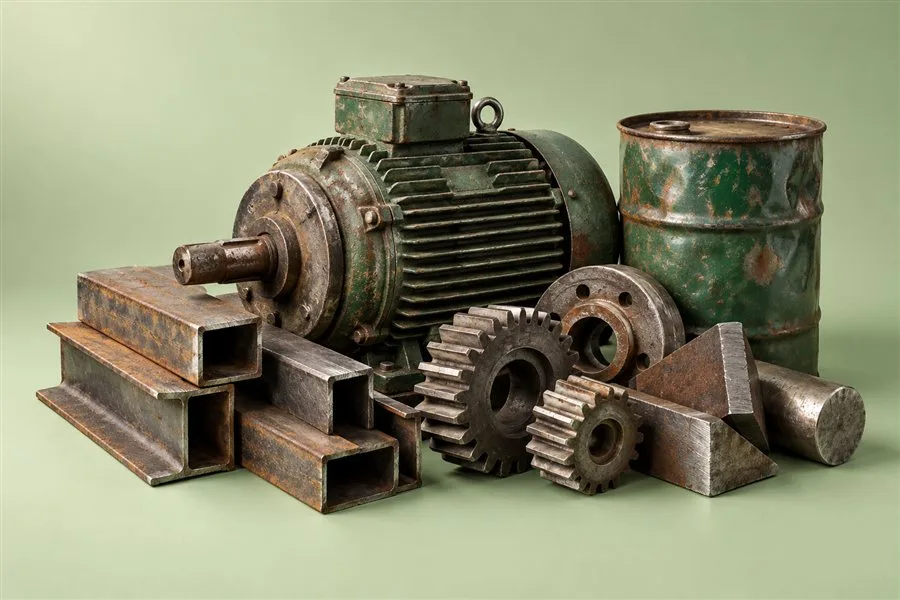
What counts as "bulk"?
There is no universal definition. For us, outside our nine main areas, a bulk pickup generally starts around 500–1,000 kg, depending on the material and the distance. Dense, valuable material like copper cable or AC outdoor units can make a smaller load worthwhile; light, bulky material needs more volume. See the Mumbai bulk pickup policy.
Sort for better value
Mixed scrap gets a blended rate. Sorting by material lets each be graded properly:
- Copper (wire, pipe, windings) separate from brass
- Aluminium separate from steel
- Stainless steel separate from mild steel
- Electronics and boards together
- Cable by type
Site visit or photo quote?
Simple, single-material loads can often be quoted from photos and a weight estimate. Large mixed lots, heavy machinery or difficult access usually need a visit.
Weighing
Metal is weighed by grade at pickup. For very large loads, agree the weighing method in advance — on-site scale or weighbridge.
Access and logistics
Share vehicle access, loading bay availability, timing restrictions and whether equipment like a forklift is available. This determines the vehicle and team size.
Regular collections
Factories and workshops producing scrap continuously can set up a regular schedule. Marked bins per material make each collection faster.
What we do not collect
Hazardous waste — chemical residues, oily sludge, contaminated containers, asbestos — needs an authorised hazardous-waste handler.
See bulk scrap pickup, factory scrap and godown scrap.
